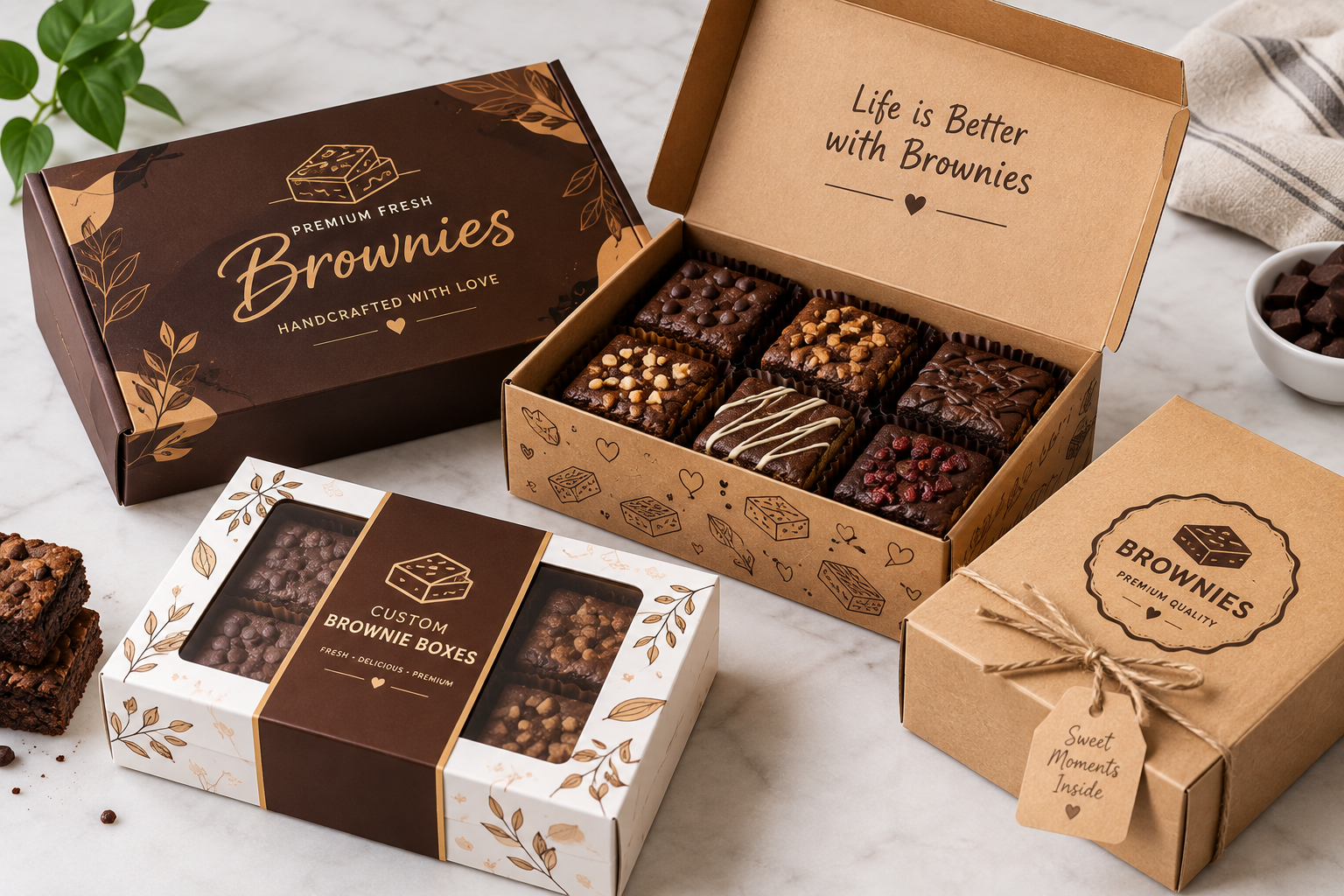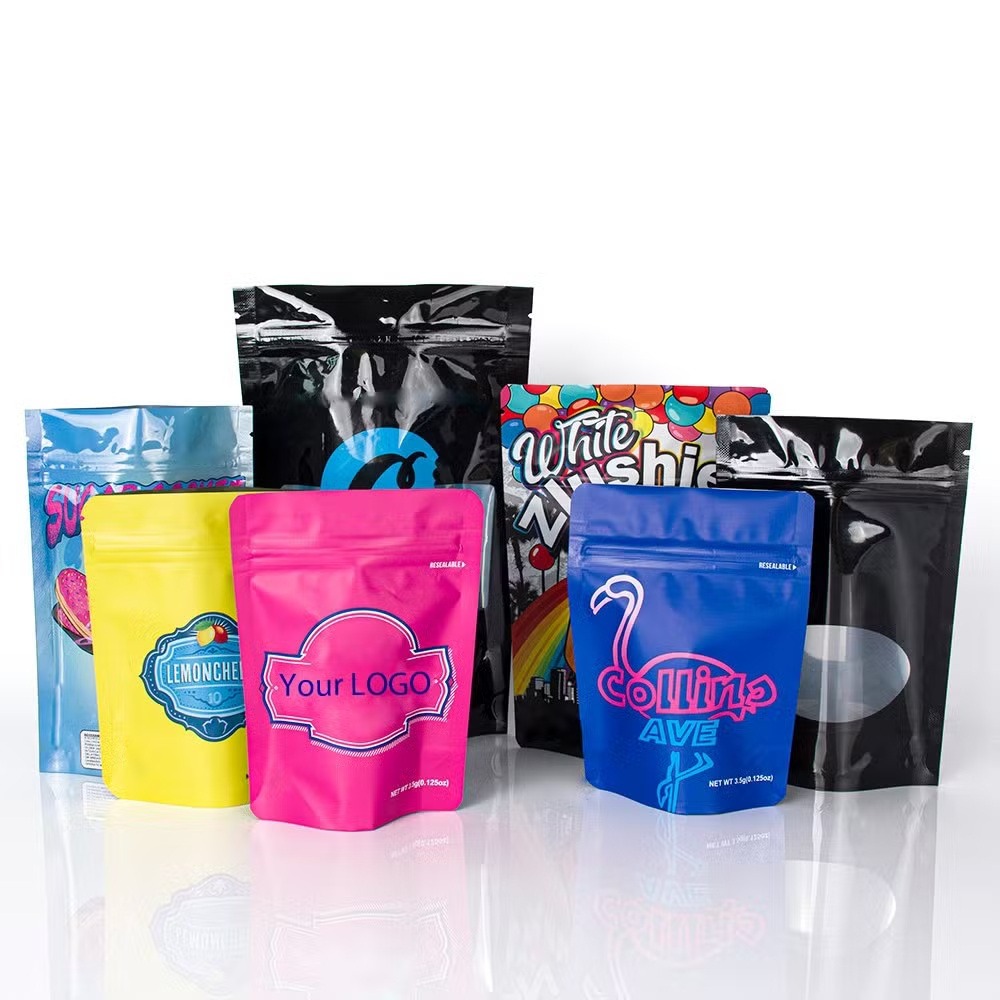






















































Dale Carnegie’s old advice was that people remember how you made them feel, not what you said to them. Strange as it sounds, that idea applies almost perfectly to packaging. Nobody remembers the specific words printed on a box a year later. They remember the weight of it in their hands, the way the lid closed, whether opening it felt like an event or just a chore. A luxury does more of that emotional work than almost any other packaging format, mostly because it can’t fake its way through a bad impression the way a flimsy box sometimes gets away with.
There’s a reason certain brands lean so heavily on rigid packaging for anything meant to matter a flagship launch, a gift set, a product priced high enough that the unboxing needs to feel like it earns the price tag. Size adds to that effect in a way a lot of people underestimate. A luxury box doesn’t just hold more product; it takes up more physical space in someone’s hands and their field of view, and that scale alone reads as significance before a single design element has done any work at all.
Why Size Changes the Entire Relationship
A small rigid box is intimate. A large one is a statement. That difference matters more than it sounds like it should, because it shapes how a customer approaches the whole interaction before they’ve even lifted the lid. Something large sitting on a table commands a bit of patience, a bit of ceremony almost, in a way a small box tucked in a bag never quite manages.
That’s the influence part of this whole equation, if we’re borrowing Carnegie’s framing loosely. A rigid box changes behavior before a word of marketing copy gets read. It slows someone down. It makes them curious rather than casual. And that shift in pace is exactly the kind of thing that turns a routine purchase into something a customer actually talks about afterward, which is really the whole goal of good packaging design in the first place.
Building Trust the Way Carnegie Actually Meant It
Carnegie’s core idea wasn’t really about manipulation, whatever the title might suggest at a glance. It was about genuine interest, honesty, and making the other person feel valued. Packaging can do a rough version of the same thing. A rigid box built with real structural integrity, without hollow corners or a lid that wobbles, is quietly telling a customer the brand didn’t cut corners where it mattered. That message lands even if the customer never consciously thinks about it in those terms.
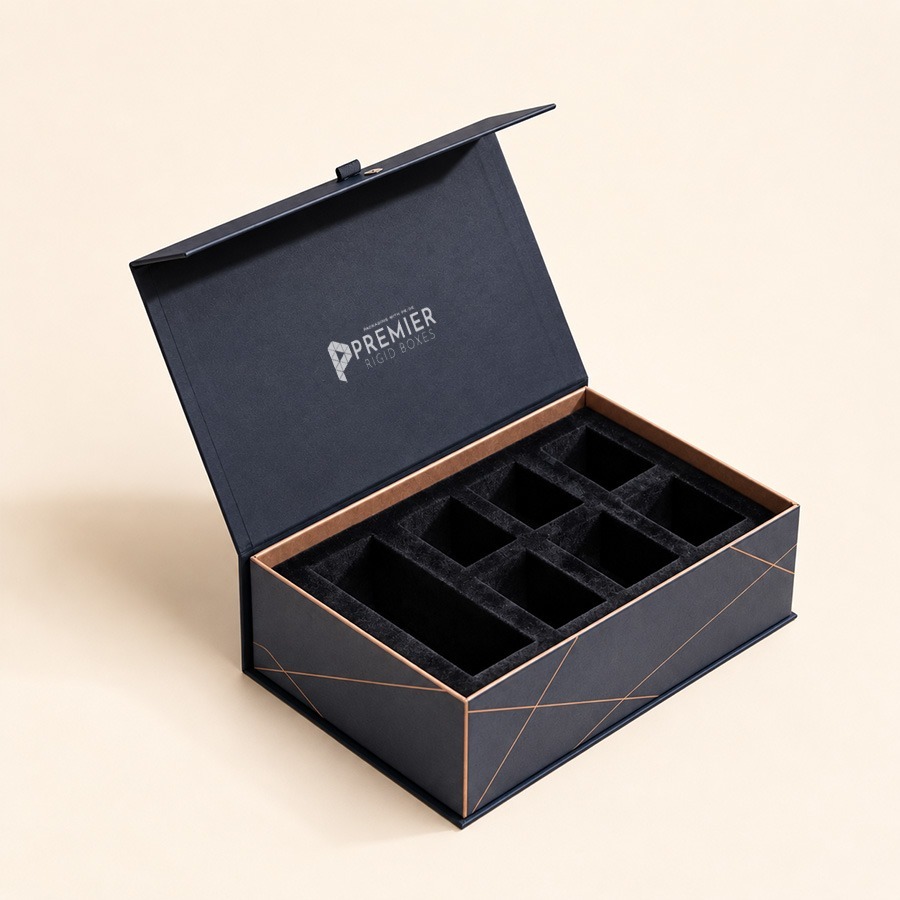
Custom Luxury boxes, specifically shaped and fitted to a particular product rather than a generic off-the-shelf size, take that trust-building a step further. A box that fits its contents precisely, with no wasted space rattling around inside, signals a level of care that a loosely padded, one-size-fits-most box just can’t replicate. It’s a small technical decision that ends up mattering a lot more than its cost would suggest.
Small Gestures That Matter More Than the Big Reveal
- Carnegie talked about small, genuine gestures: remembering a name, a specific compliment, a bit of attention nobody else bothered to give.
- Packaging has its own version of that same idea.
- A handwritten-style note tucked inside the lid adds a personal touch that feels intentional rather than mass-produced.
- A ribbon pull creates a beat of anticipation before the product is fully visible.
- Interior printing that only appears once the box is opened rewards the person who took the time to look, rather than tear through it. None of these details change what’s actually inside the box.
- What they do change is how the moment of opening it feels, and that feeling is usually what gets remembered and talked about later, far more than the product’s specifications ever do..
Comparing Rigid Box Formats by Impression
| Box Format | Perceived Weight | Customer Pace | Best Fit | Typical Cost Level |
| Small Rigid Box | Light, personal | Quick, casual | Everyday premium items, small gifts | Medium |
| Standard Rigid Box | Moderate | Deliberate | Mid-tier retail or gift packaging | Medium-High |
| Large Rigid Box | Substantial, commanding | Slow, ceremonial | Flagship launches, high-value gift sets | High |
| Nested Rigid Set | Layered, revealing | Extended, exploratory | Multi-item luxury bundles | Very High |
| Oversized Novelty Box | Dramatic, memorable | Attention-grabbing | Seasonal or limited-edition campaigns | High to Very High |
The pattern worth noticing here is fairly consistent the larger and more deliberate the format, the slower and more ceremonial the customer’s pace tends to become, and that slower pace is usually where the strongest brand impressions actually get formed.
Where This Approach Can Backfire
Going oversized for a product that doesn’t justify the scale creates a strange mismatch, where the packaging promises more than the product delivers, and that gap gets noticed fast. Prioritizing sheer size over actual structural quality leaves a box that looks impressive in a photo but feels hollow and cheap in person, which undoes the whole effect the format was supposed to create. And treating the format as a substitute for genuine product quality rarely works for long packaging can earn attention and a first impression, but it can’t carry a weak product indefinitely.
Final Thoughts
Carnegie’s advice was never really about tricks; it was about paying real attention to what actually makes people feel valued. A custom rigid box, built well and fitted precisely to what it holds, does something similar in packaging form. It slows a customer down, signals genuine care in the details, and leaves an impression that outlasts the moment the box is finally set aside. That’s a harder thing to manufacture than most brands assume, but it’s also exactly why it works so well when it’s done right.
Frequently Asked Questions
Does a custom rigid box always make a stronger impression?
Not automatically. Size helps, but only when it’s matched to a product that genuinely justifies the scale and built with real structural quality; otherwise, the format can feel mismatched or hollow.
What makes custom luxury boxes different from standard sizes?
They’re shaped specifically around a product rather than using a generic size, which eliminates wasted internal space and creates a tighter, more considered fit that customers notice even subconsciously.
Is a rigid box worth the extra cost for every product line?
Usually not for everyday items, but it tends to pay off for flagship launches, gift sets, or anything priced high enough that the unboxing experience needs to match the price point.
How much does structural quality matter compared to size alone?
Quite a lot. A large box that feels hollow or poorly built can undercut the impression it’s meant to create, sometimes more than a smaller, better-constructed box would.